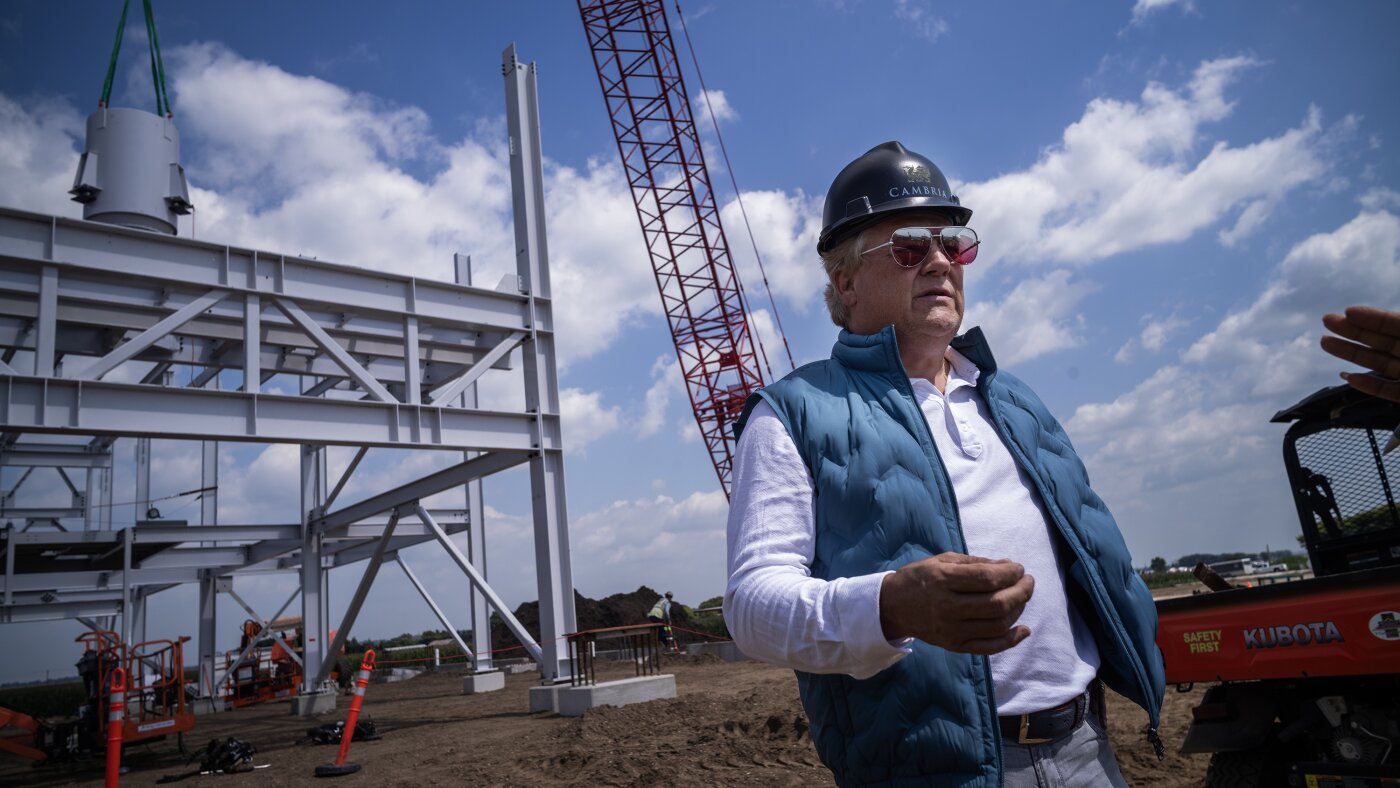
We focus on delivering actionable insights from earnings reports, technical indicators, and institutional trading activity across major stock market sectors. Cambria CEO and Trump donor Marty Davis has successfully petitioned the U.S. government to impose tariffs on imported quartz, a move his business rivals describe as anticompetitive. The tariffs, which could reshape the domestic quartz-surfacing industry, have sparked allegations that Davis is weaponizing trade policy to gain an advantage over smaller competitors.
Live News
- Cambria CEO Marty Davis personally requested tariff protection on quartz imports, leveraging his political relationships to gain government support.
- The tariffs have been applied primarily to quartz products from India and Turkey, two of the largest suppliers to the U.S. market.
- Competitors claim the duties are harming smaller businesses that cannot easily switch to domestic supply, potentially reducing consumer choice and raising prices for contractors and homeowners.
- The case underscores the growing use of anti-dumping and countervailing duty petitions as competitive weapons, especially in manufacturing sectors where margins are slim.
- Market observers note that such trade actions can create winners and losers within the same industry, with larger domestic producers benefiting at the expense of importers and downstream fabricators.
How a U.S. Quartz Executive Leveraged Tariffs to Edge Out CompetitorsData visualization improves comprehension of complex relationships. Heatmaps, graphs, and charts help identify trends that might be hidden in raw numbers.Observing correlations between markets can reveal hidden opportunities. For example, energy price shifts may precede changes in industrial equities, providing actionable insight.How a U.S. Quartz Executive Leveraged Tariffs to Edge Out CompetitorsSome traders use futures data to anticipate movements in related markets. This approach helps them stay ahead of broader trends.
Key Highlights
Marty Davis, chief executive of Cambria—a leading U.S. producer of quartz countertops—has been using his political connections and a federal trade law to push for tariffs on imported quartz, according to a recent report. Davis, a well-known donor to former President Donald Trump and other Republican candidates, filed a petition with the U.S. International Trade Commission (USITC) alleging that foreign-made quartz was being dumped in the U.S. market at unfairly low prices.
The USITC agreed to investigate, and in recent months, the Commerce Department imposed preliminary anti-dumping duties on quartz imports from several countries, including India and Turkey. Cambria’s competitors, many of which rely on imported quartz slabs, have cried foul. They argue that the tariffs are not about fair trade but about shielding Cambria from legitimate competition. Some smaller fabricators say the higher costs have already forced them to cut margins and lose orders.
The case highlights a broader trend: business executives using U.S. trade laws to target rivals, often with the backing of politically connected legal teams. Cambria has also run television ads highlighting the “American-made” nature of its products, further drawing a line between domestic and imported materials. The USITC is expected to issue a final ruling in the coming months, which could keep the tariffs in place for several years.
How a U.S. Quartz Executive Leveraged Tariffs to Edge Out CompetitorsScenario-based stress testing is essential for identifying vulnerabilities. Experts evaluate potential losses under extreme conditions, ensuring that risk controls are robust and portfolios remain resilient under adverse scenarios.Incorporating sentiment analysis complements traditional technical indicators. Social media trends, news sentiment, and forum discussions provide additional layers of insight into market psychology. When combined with real-time pricing data, these indicators can highlight emerging trends before they manifest in broader markets.How a U.S. Quartz Executive Leveraged Tariffs to Edge Out CompetitorsData-driven insights are most useful when paired with experience. Skilled investors interpret numbers in context, rather than following them blindly.
Expert Insights
Trade policy analysts suggest that the Cambria case may set a precedent for how U.S. companies use tariff petitions to protect domestic market share. While anti-dumping laws are intended to correct unfair pricing practices, they can also be leveraged in a way that critics call “regulation through litigation.” The outcome could influence how other executives in the building-materials sector approach trade disputes.
From an investment perspective, the tariff push introduces uncertainty for businesses that depend on imported quartz. Smaller fabricators may face compressed margins or be forced to raise end-consumer prices, potentially slowing demand growth in the countertop market. On the other hand, domestic producers like Cambria could see improved pricing power and market share if the tariffs remain in place.
Investors should watch for the USITC’s final determination, as a long-term tariff would likely solidify Cambria’s domestic advantages while pressuring import-reliant competitors to adjust their supply chains. The broader industry may see increased consolidation as smaller players struggle to absorb the additional costs.
How a U.S. Quartz Executive Leveraged Tariffs to Edge Out CompetitorsReal-time data can highlight sudden shifts in market sentiment. Identifying these changes early can be beneficial for short-term strategies.Global macro trends can influence seemingly unrelated markets. Awareness of these trends allows traders to anticipate indirect effects and adjust their positions accordingly.How a U.S. Quartz Executive Leveraged Tariffs to Edge Out CompetitorsSome investors rely heavily on automated tools and alerts to capture market opportunities. While technology can help speed up responses, human judgment remains necessary. Reviewing signals critically and considering broader market conditions helps prevent overreactions to minor fluctuations.